 Survive Our Collapse Building Self-Reliance in an Uncertain World
Related Articles
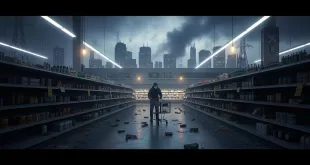
When systems fail, shelves don’t slowly empty they get wiped out almost overnight. Most people assume they’ll have time to react, but history shows the opposite. Panic buying hits fast, supply chains stall, and within hours the essentials are gone. The reality is simple if you don’t already have it, you probably won’t get it when it matters.
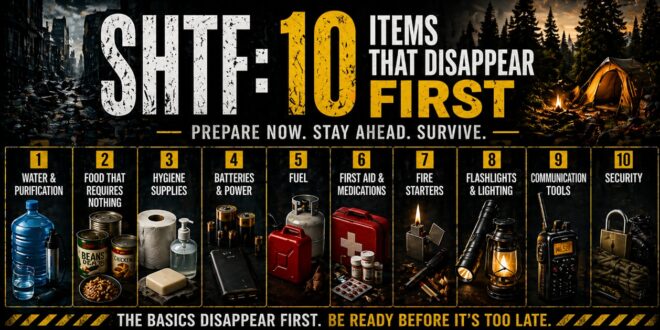
Preparedness isn’t about stockpiling random gear or chasing trends. It’s about understanding what disappears first and why. The items that go quickest are the ones tied directly to survival water, food, sanitation, light, and communication. These are the things people suddenly realize they cannot live without.
If you want to stay ahead of the chaos, you need to think like the shortage before it happens. The goal isn’t to hoard it’s to remove dependency. Let’s break down the ten categories that consistently vanish first and why they matter more than anything else.
1. Water and Purification Comes First Always
Water is the first domino to fall because it is the one thing you cannot substitute. Municipal systems can fail, boil advisories can hit, and bottled water disappears within hours once panic sets in. People do not think about water until they do not have it and by then it is already gone.
Having stored water is only part of the equation. Long term survival depends on your ability to filter, purify, and safely collect water from alternative sources. Without that capability your timeline shrinks dramatically. Three days without water is not theoretical it is a hard limit.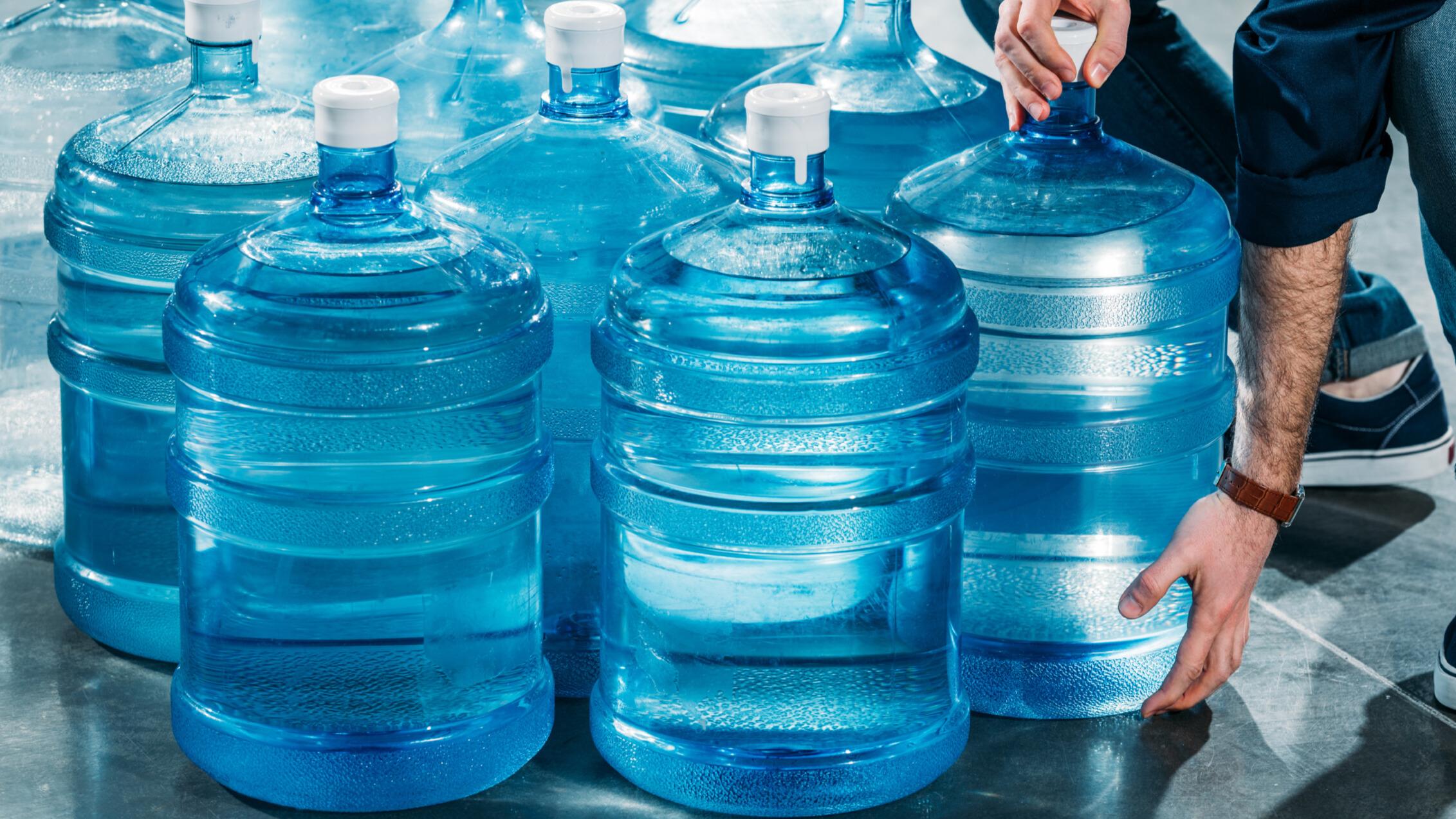
The smartest setups combine both storage and filtration. You want redundancy not reliance. If you can source and clean water independently you have solved one of the biggest survival problems before it ever becomes a crisis.
2. Food That Requires Nothing to Survive
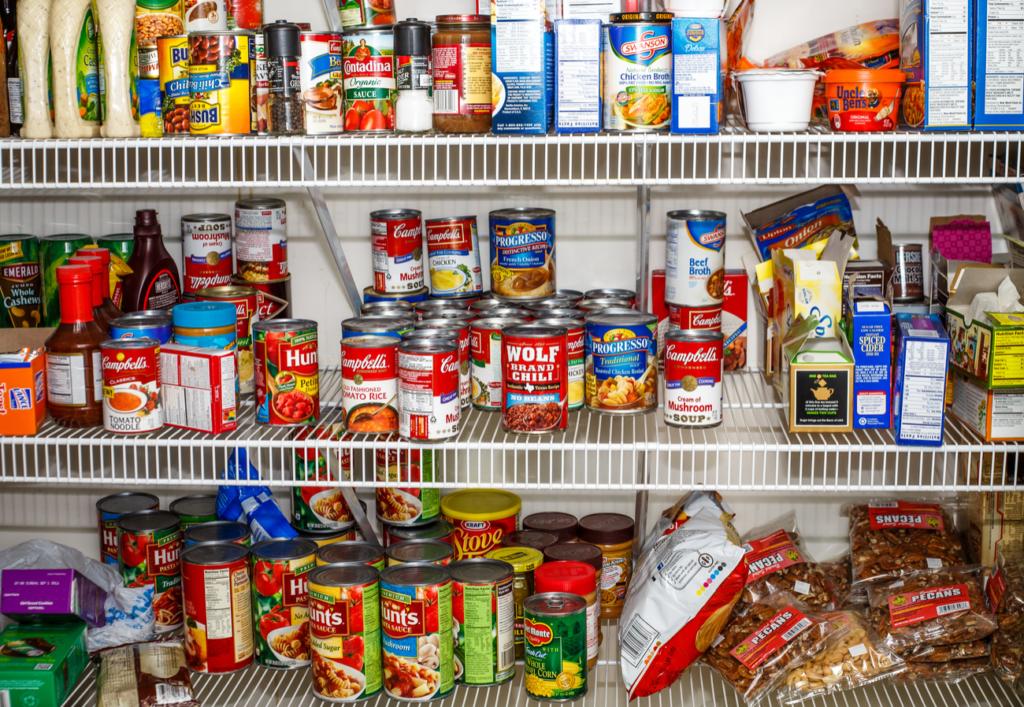
When the power goes out or supply chains freeze, convenience disappears. Fresh food spoils fast and anything that requires cooking or refrigeration becomes a liability. That is why canned goods and long shelf life food vanish so quickly.
People gravitate toward foods that are simple, calorie dense, and require little to no preparation. It is not about variety it is about reliability. You need food that can sit for years and still be ready when you are.
Stocking smart means thinking in layers. Immediate food you can eat right away and deeper reserves that last long term. If you wait until the rush you will be left with empty shelves and bad options.
3. Hygiene Supplies Disappear Fast
Sanitation is one of the fastest overlooked threats in any crisis. Toilet paper, soap, and basic hygiene supplies disappear quickly because people underestimate how critical they are until they are gone.
Without proper sanitation illness spreads fast. Something as simple as dirty hands or unmanaged waste can turn into a serious health problem. In a collapse scenario there is no system coming to fix that for you.
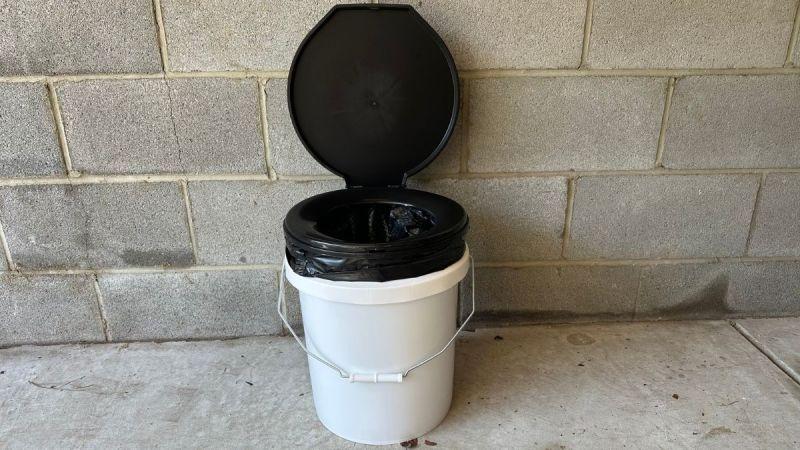
Preparedness here is simple but essential. You need a plan for waste, cleaning, and maintaining basic hygiene. Staying clean is not about comfort it is about staying alive when conditions start to degrade.
4. Batteries and Power Keep You Functional
Electricity is one of those things people assume will always be there until it is not. When the grid goes down everything from communication to lighting becomes a problem instantly. That is why batteries and power banks disappear almost immediately.
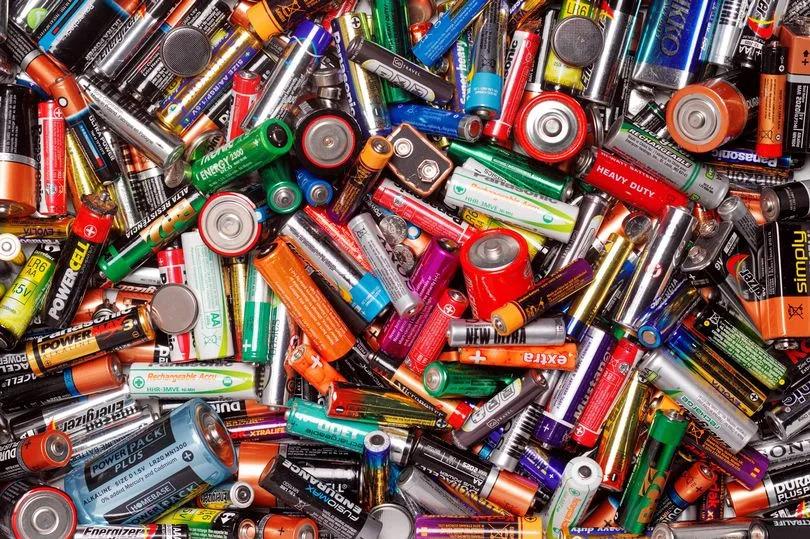
Even small amounts of stored power can make a massive difference. Lights, radios, and essential devices become lifelines in a dark disconnected environment. Without them you are operating blind.
A solid setup includes backup batteries, portable power, and a plan for conserving energy. Power equals control. The less you rely on the grid the more stable your situation becomes.
5. Fuel Becomes More Valuable Than Money
Fuel shortages hit fast and hard. Gas stations empty, propane becomes scarce, and mobility drops to zero for most people. When that happens even basic tasks become difficult.
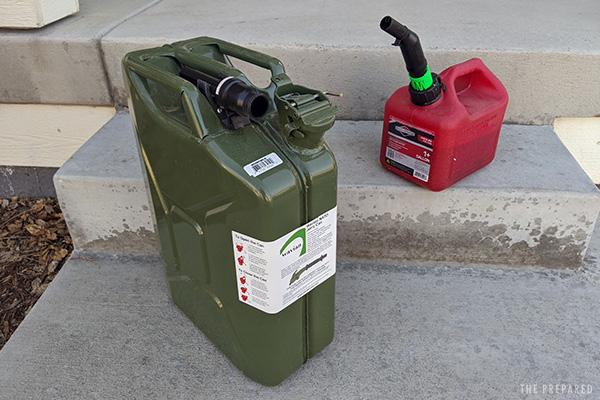
Fuel is not just about driving. It powers generators, cooking setups, and heating systems. Without it your options shrink quickly especially in extreme weather conditions.
Storing fuel safely and having alternative cooking and heating methods gives you a huge advantage. When everyone else is stuck you are still moving and operating.
6. First Aid and Medications Become Critical
In a crisis you are your own first responder. Pharmacies close, hospitals overload, and even minor injuries can become serious problems without proper care. That is why medical supplies disappear early.
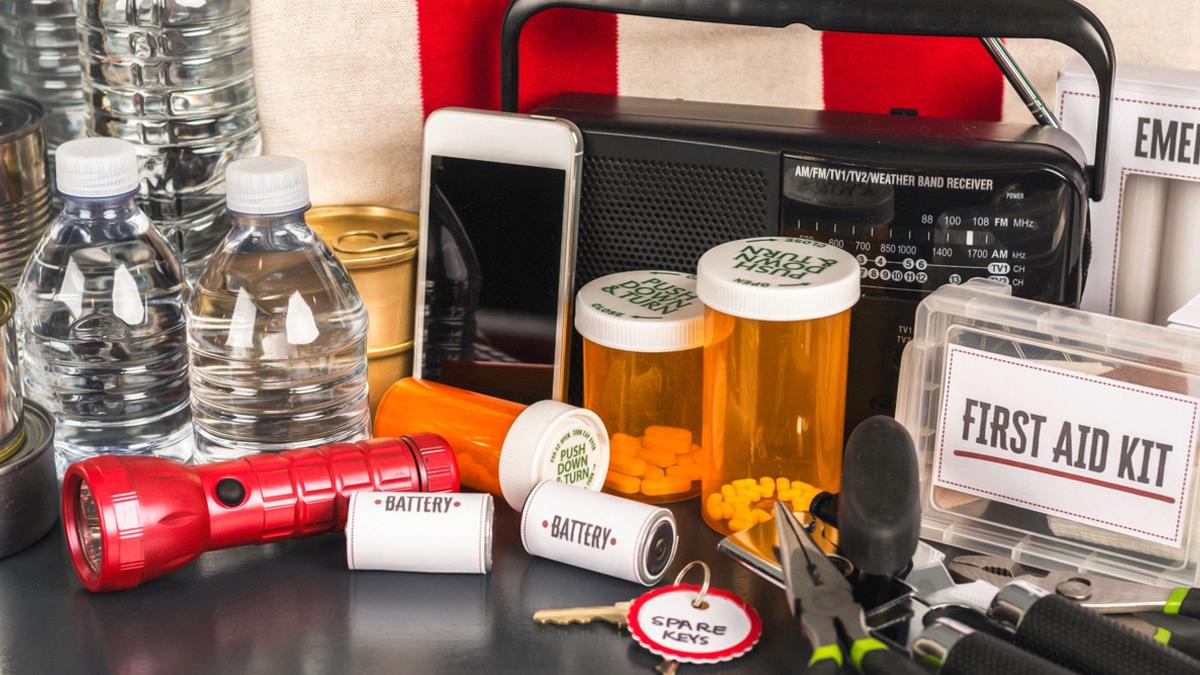
A well stocked first aid kit is just the starting point. You need medications, basic treatment supplies, and the knowledge to use them. Preparation here is about self reliance.
The difference between being prepared and being vulnerable often comes down to this category. If you can handle injuries and illness on your own you remove one of the biggest risks in a collapse scenario.
7. Fire Starters Are Essential
Fire solves multiple problems at once warmth, cooking, and water purification. That is why fire starters, lighters, and related tools get scooped up early.
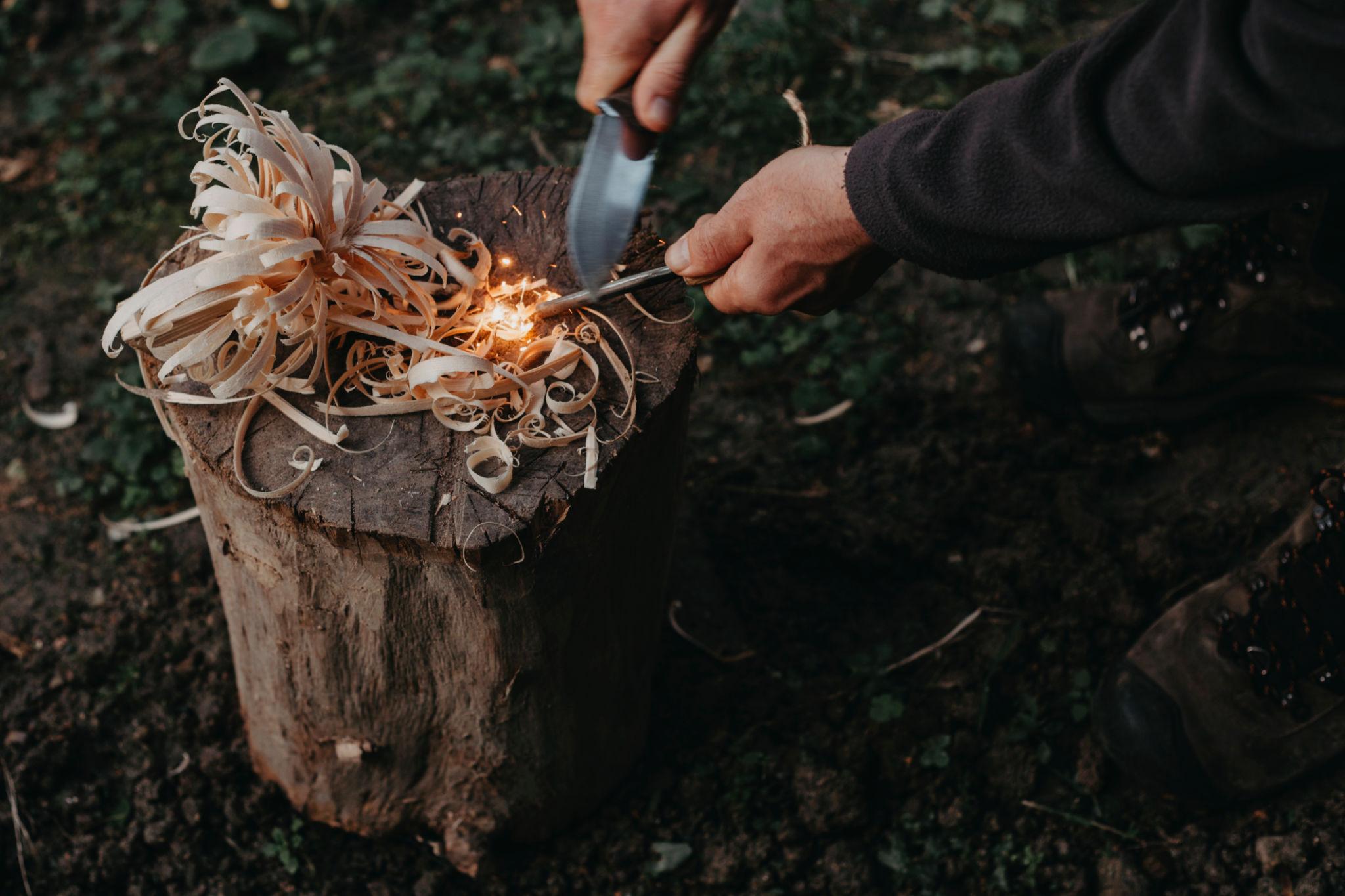
In a grid down situation fire becomes one of your most reliable resources. It is simple, effective, and does not rely on modern systems.
Having multiple ways to start a fire is essential. Redundancy ensures you are never left without one of the most basic survival tools.
8. Flashlights and Lighting Matter More Than You Think
Darkness changes everything. Without lighting even simple tasks become difficult and risk increases across the board. Flashlights, lanterns, and candles disappear quickly because people realize how dependent they are on light.
Light is not just about convenience it is about safety and awareness. Being able to see your surroundings at night is critical for both security and function.
A layered lighting setup ensures you are covered. Headlamps, handheld lights, and backup options all play a role. When the lights go out you do not want to be figuring it out.
9. Communication Tools Keep You Informed
Information becomes scarce fast when systems fail. Phones die, networks go down, and suddenly people are cut off. Radios and communication tools become critical.
Knowing what is happening around you gives you a massive advantage. It allows you to make decisions based on real information instead of guesswork.
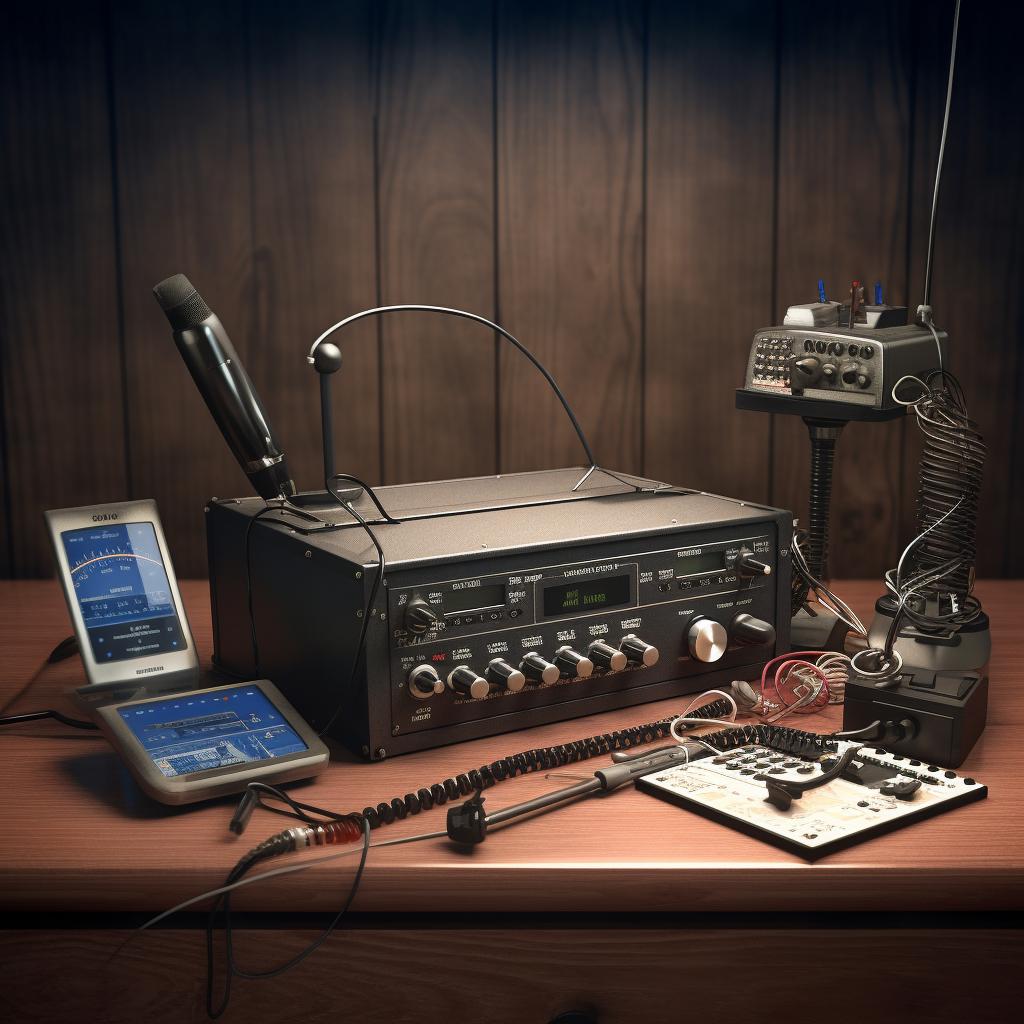
Preparedness here means having tools that do not rely on the grid. Battery powered or hand crank radios can keep you connected when everything else fails.
10. Security Becomes the Final Layer
When resources become scarce security becomes a priority. People protect what they have and those without preparation may try to take from others. That is the reality most people do not want to think about.
Security is not just about tools it is about awareness, planning, and positioning. Being prepared means reducing your visibility and strengthening your defenses.

A short checklist like this makes preparedness feel much more manageable.
Agreed. A category list is less overwhelming when I turn each heading into one small weekend job: count the water, date the fuel, test the radio, and replace expired medicine. That gives me an actual next step instead of another pile of gear I haven’t checked.
Separating stored water from the ability to purify more water is the point I needed to hear. I have filters, but this made me stop and ask whether my setup still works without faucet pressure or electricity. Sanitation probably belongs near the top of the list too; soap, trash bags, and a waste plan are boring purchases right up until they become the difference between an inconvenience and an illness.
That’s a useful distinction about stored water versus purification capacity. I’d add a simple test by trying the filter with a full container and no household power, then keeping a written backup method nearby; the article also rightly puts soap, trash bags, and waste handling in the same practical category.
That’s a useful distinction: stored water only buys time, while filtration and purification give you options after the first supply is gone. I’d add a small written sanitation checklist to the same plan—soap, bags, cleaning water, and a way to handle waste—because those tasks are easy to overlook when everyone is focused on food and power.
The water section gets the priority right, but a family plan should put actual numbers beside it. Stored water, a way to filter it, and a way to treat questionable sources cover different problems; I’d also rotate the stored supply so it stays usable rather than becoming forgotten emergency clutter.
That’s a sensible distinction, rationrunner01. I’d start with a household number for stored water, then record the date it was filled and schedule a regular rotation; filtration and treatment should be tested separately so they are not just assumed to work when needed.
That separation between stored water, filtration, and treatment makes sense, rationrunner01. I’d put each task on a recurring schedule: rotate the containers, inspect the filter, and check the treatment supplies so the family plan stays usable rather than remaining a one-time shopping list.
Water and lighting are the two categories I’d handle first because both become immediate problems during an outage. A few stored gallons, a gravity filter, headlamps, and spare batteries cover more daily needs than a pile of specialized gear, and they’re simple to rotate and test.
The layered approach to food makes sense, especially separating ready-to-eat items from deeper reserves. I’d add a simple rotation routine: keep a written list of dates, use older cans in normal meals, and replace them during regular shopping instead of discovering a shelf full of expired food during an outage.
The layered approach to food is practical, especially separating ready-to-eat items from deeper reserves. I’d add a simple inventory with quantities and expiration dates, because a family can have plenty of cans and still discover too late that the stock is unbalanced or hard to use without power.
The power section is a good reminder that lighting and communication depend on more than just owning a flashlight. I’d test the whole chain during a normal evening outage: charge the power bank, check spare batteries, run the radio, and confirm everyone knows where the lights are stored.